
Justice, Accountability & Action: Strengthening Implementation of the POA Act in Karnataka
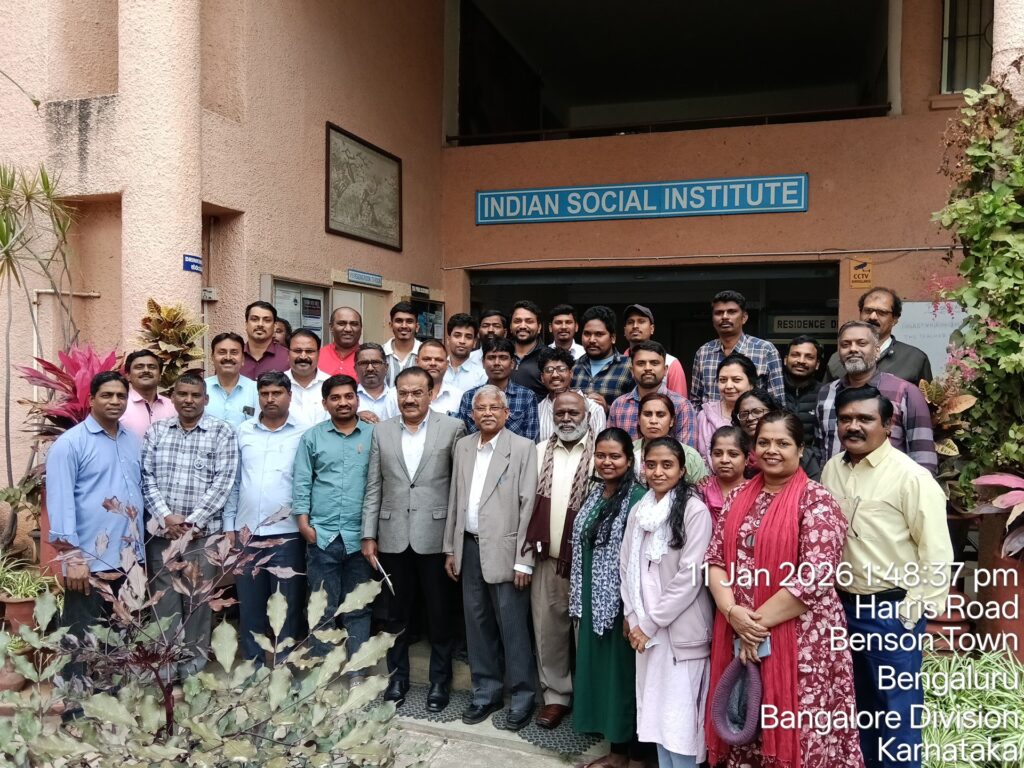
The Karnataka State Level Workshop titled “Justice, Accountability & Action: Strengthening Implementation of the POA Act in Karnataka” was organised by the Indian Social Institute from 10 – 11 January 2026. 32 (male 26 & female 6) dalit and tribal leaders, human rights defenders, lawyers, social workers, and representatives of civil society organisations from different districts of Karnataka participated actively engaging in collective reflection and strategic planning.
Participants shared district-level case experiences from both rural and urban contexts, highlighting persistent systemic challenges in police procedures, prosecutorial follow-up, and the functioning of Special Courts under the Scheduled Castes and Scheduled Tribes (Prevention of Atrocities) Act. The discussions revealed continuing gaps in timely FIR registration, investigation processes, and implementation of relief and rehabilitation measures. The Indian Social Institute facilitated a critical space for collective analysis, mutual learning, and collaborative action planning.
The first day of the workshop focused on understanding the emerging trends of caste-based atrocities in Karnataka and strengthening participants’ knowledge of the legal framework. Advocate Basavaraj, a legal expert, analysed recent atrocity cases involving Dalit and Tribal communities and explained the mandatory provisions of the POA Act, including procedural safeguards and accountability mechanisms. Mr. Harish, Inspector from the Directorate of Civil Rights Enforcement (DCRE), addressed the participants on “The Role of DCRE in Monitoring Investigations and Ensuring Convictions,” highlighting institutional responsibilities and investigative procedures. Mr. Edwin, Executive Director of the Human Rights Research & Advocacy Forum, shared his grassroots experiences in monitoring implementation mechanisms. He emphasised the statutory role of District and State Vigilance and Monitoring Committees, the responsibility of district administrations, and the importance of coordinated civil society monitoring. Through facilitated group work, participants gained greater clarity on procedural rights, statutory entitlements, and monitoring tools.
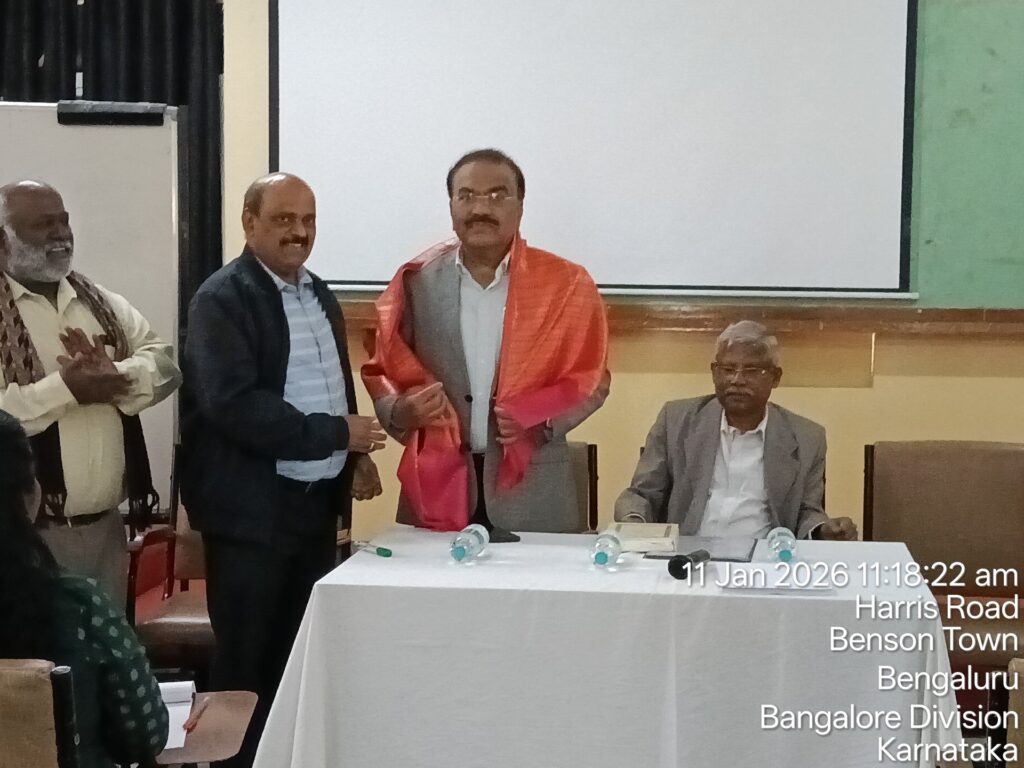
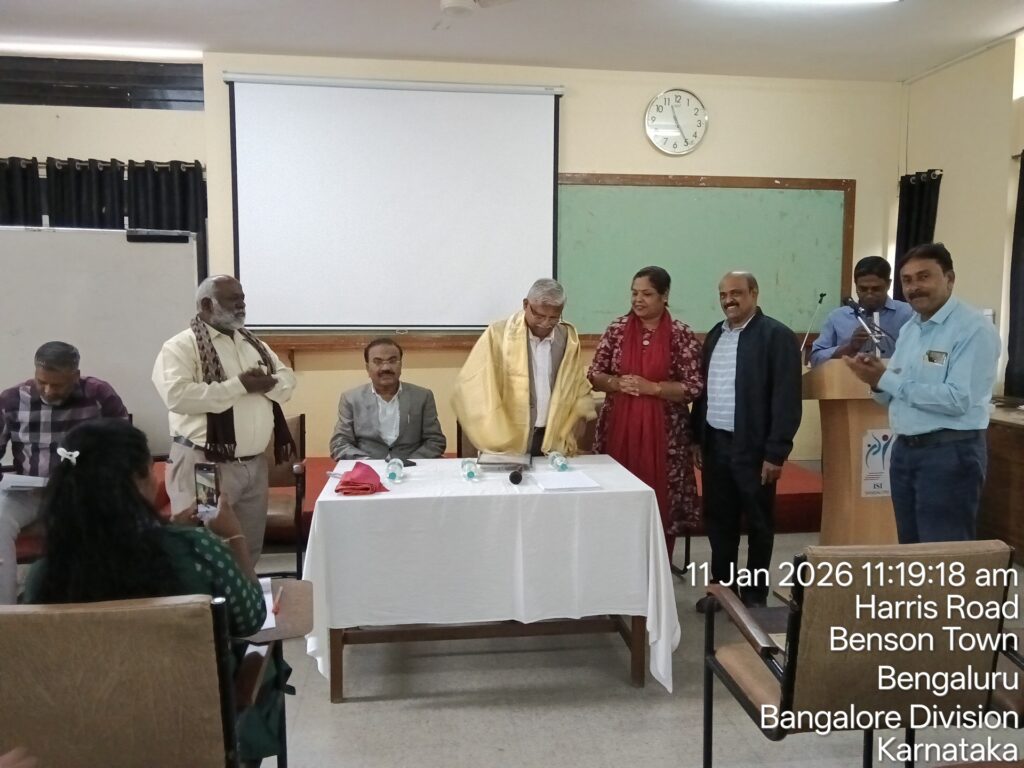
The second day featured Dr. Murthy L., Chairperson of the Karnataka State Commission for Scheduled Castes and Scheduled Tribes, as Chief Guest. In his address on “Monitoring Atrocities and Accountability to Enforce Justice,” he underscored the constitutional mandate to protect vulnerable communities and stressed the need for institutional accountability. He also committed to work with civil society across Karnataka in addressing caste violence. The Guest of Honour, Dr. Thangaraj, IAS (Retd.), Former Principal Secretary, Government of Karnataka, shared his administrative experiences in addressing caste-based violence and the challenges of ensuring effective coordination among departments. Advocate Sivamanithan, another legal expert and professor at Alliance School of Law interacted with the participants on the procedural follow up of atrocity cases from the point of law. His sessions helped the participants to make better use of POA Act provisions in addressing caste atrocities.
The thematic group discussions on the second day focused on caste violence trends in Karnataka, monitoring mechanisms, advocacy strategies including the use of the Right to Information (RTI), and the development of a collective action plan. The workshop concluded with a summary of key commitments and certificate distribution.
The workshop enabled participants to develop deeper knowledge of the increasing patterns of caste-based violence and atrocities against Dalit and Tribal communities in Karnataka. It strengthened collective understanding of statutory rights to relief, rehabilitation, and the Contingency Plan under the POA Act. The workshop strengthened collective resolve to move from reactive complaint-based approaches toward structured monitoring, advocacy, and accountability processes. The engagement with institutional stakeholders fostered constructive dialogue and opened channels for continued coordination between civil society and state authorities.
Fr Francis Balaraj SJ
Head, Social Inclusion & Democracy