
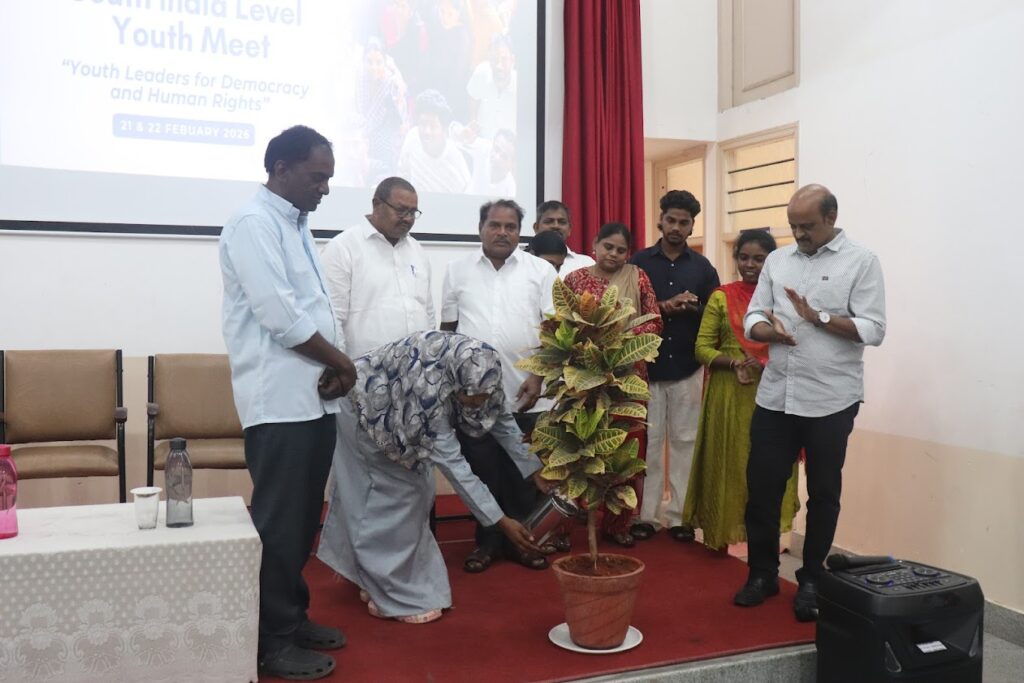

Capacity Building of Rural Youth 2024–2026
The Indian Social Institute (ISI), Bengaluru organised a two-year Capacity Building of Rural Youth for the third batch from 2024–2026 with the objective of nurturing socially conscious youth leaders from marginalised communities. The initiative aimed to strengthen youth leadership so that young people could accompany and serve vulnerable communities while addressing social, economic, and environmental challenges in their local contexts.
Through a structured training process, the programme focused on enhancing knowledge, critical thinking, and leadership skills among youth. By encouraging reflection on social realities and constitutional values, the programme sought to equip participants to actively engage in democratic processes and contribute meaningfully to community development and social transformation.
The programme was implemented across four South Indian regions through collaboration with local NGOs.
Karnataka: 10 NGOs, 134 youth (70 male, 64 female)
Tamil Nadu & Pondicherry: 16 NGOs, 155 youth (60 male, 95 female)
Andhra Pradesh & Telangana: 13 NGOs, 155 youth (58 male, 97 female)
Kerala: 14 NGOs, 145 youth
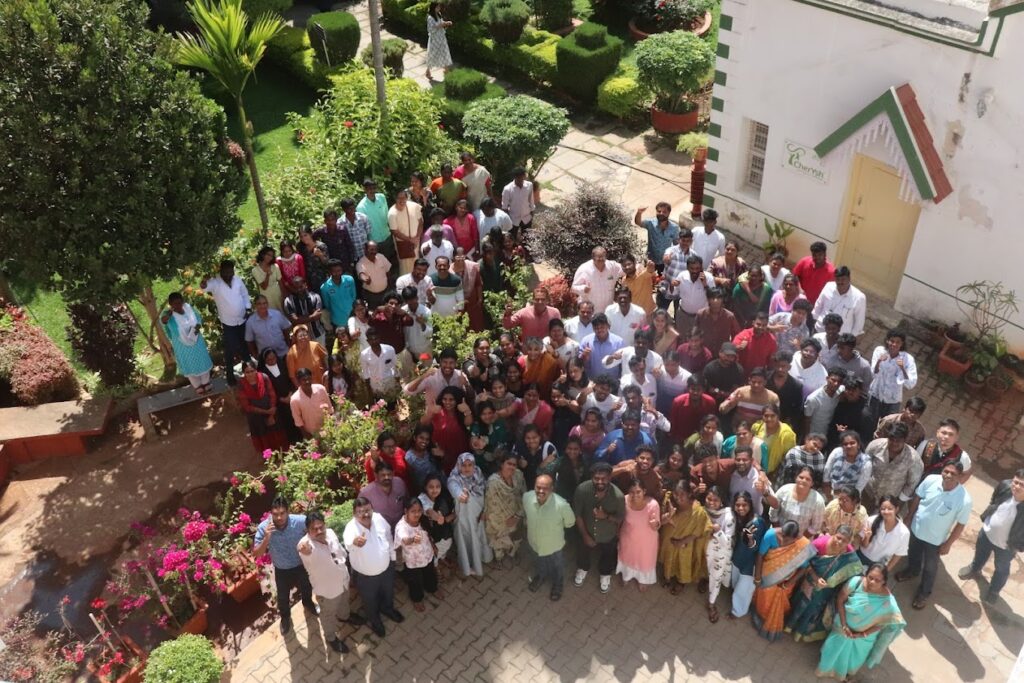
Overall, the initiative engaged 53 partner NGOs and trained 589 youth leaders, including 248 male and 341 female participants. The programme demonstrated a strong commitment to gender inclusion and youth empowerment across the region.
Outcomes
The programme contributed significantly to strengthening youth awareness, leadership, and civic engagement. Key outcomes include:
- Participants developed a stronger understanding of the Constitution of India, fundamental rights, and civic responsibilities, enabling them to approach social issues from a rights-based perspective.
- Youth participants gained confidence to engage in local governance processes, including attending Gram Sabha meetings and participating in community decision-making.
- The training enhanced participants’ ability to critically analyse issues of inequality, exclusion, and policy impact, enabling them to understand the structural roots of marginalisation.
- Participants demonstrated increased sensitivity towards gender equality and women’s rights, encouraging inclusive attitudes and practices within their communities.
- Youth gained practical skills such as filing Right to Information (RTI) applications and submitting complaints, enabling them to demand transparency and accountability from public institutions.
The Capacity Building of Rural Youth Programme (2024–2026) successfully created a platform for nurturing informed, responsible, and socially committed youth leaders from marginalised communities. By integrating constitutional values, social analysis, and participatory learning methodologies, the programme enabled youth to move from awareness to action.
The collaboration between ISI Bengaluru and partner NGOs strengthened grassroots engagement and helped build a growing network of youth leaders committed to democracy, social justice, and inclusive community development.
Francis Balaraj SJ
HoD, Social Inclusion & Democracy