
Social Analysis – “Rural Employment Policy in India – From MGNREGA to VB GRAM G Act 2025”
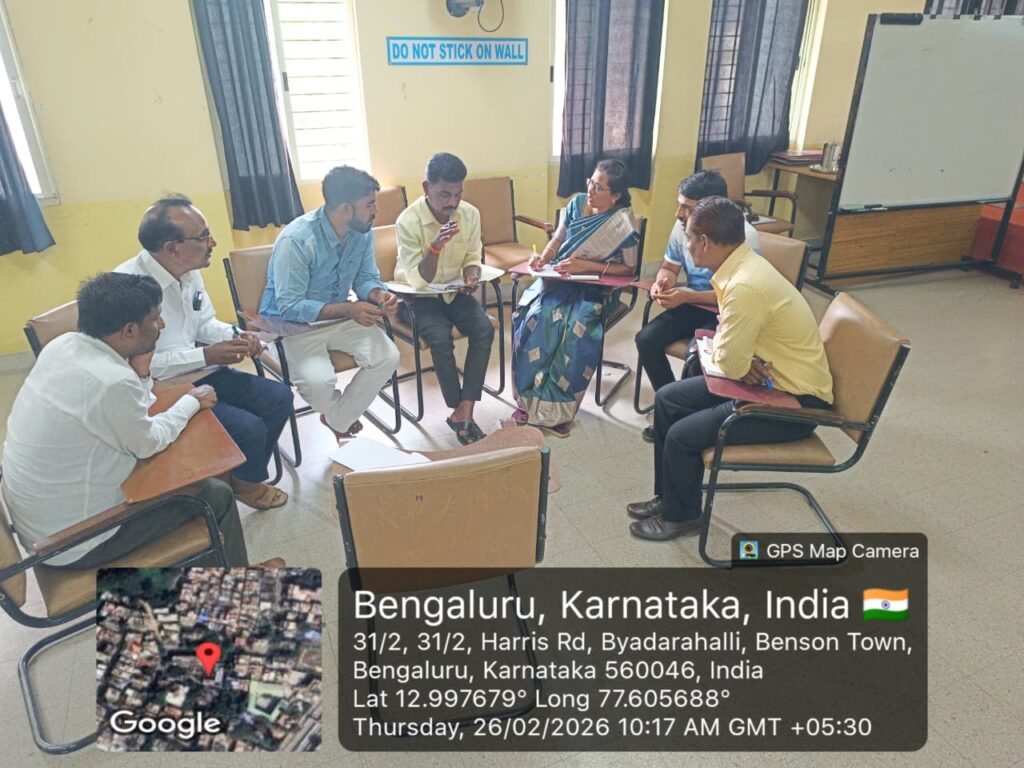
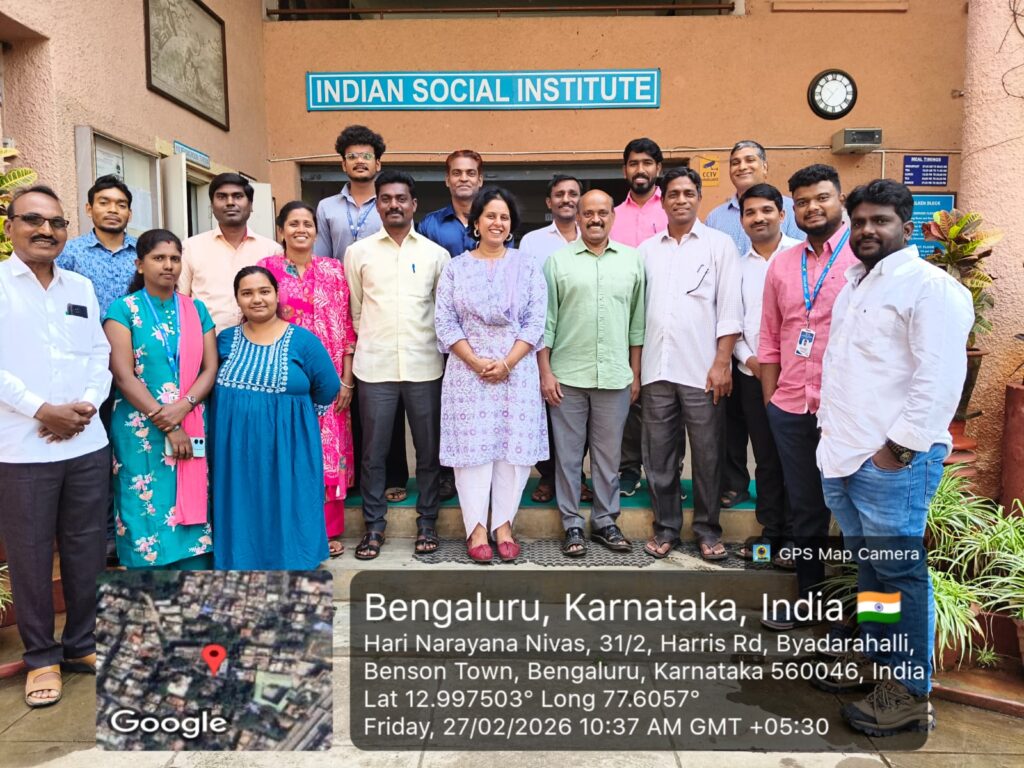
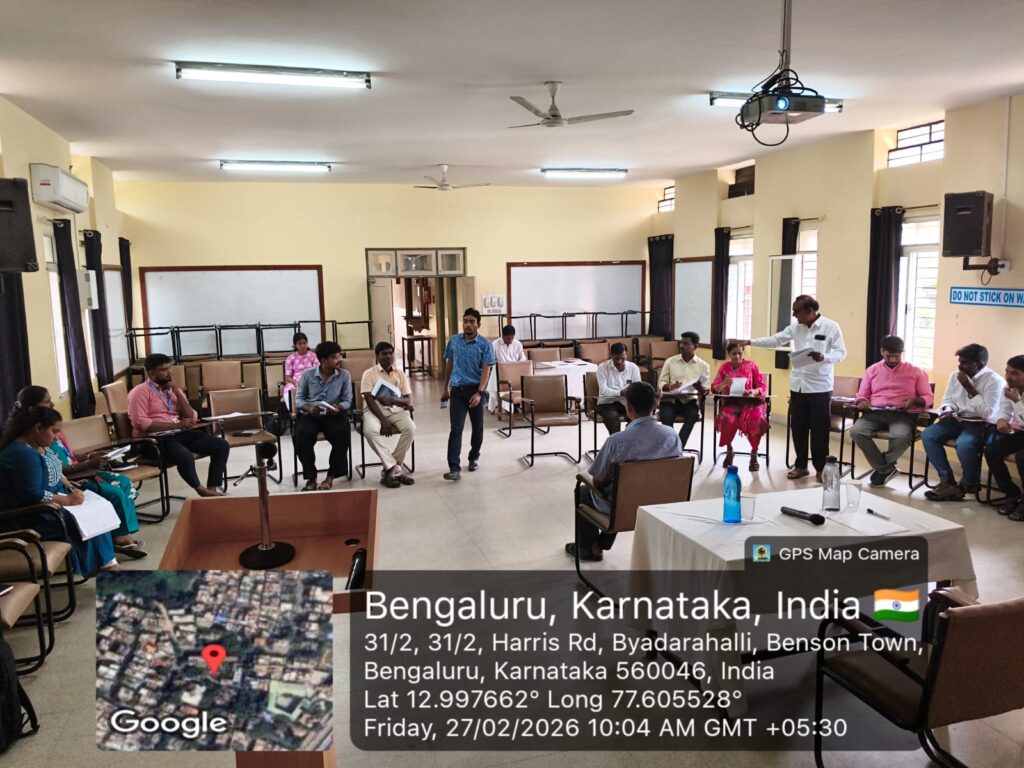
Indian Social Institute, Bengaluru organised a Social Analysis – a four-day Training of Trainers (T0T) workshop from 24-27 February 2026 on the theme “Rural Employment Policy in India – From MGNREGA to VB GRAM G Act 2025”. The workshop was aimed to help NGOs, CSOs and Community leaders from Karnataka to develop critical thinking and a deeper understanding of MGNREGA and VB GRAM G Act 2025. 13 participants joined the workshop to reflect on the rural employment policy through social analysis, exploring policy shifts like entitlements to schemes, governance and community participation. The implications of these policy changes for women, landless workers, and vulnerable communities were a key focus.
On the first day, participants were introduced to social analysis methods and tools to understand how social structures, power relations and institutional arrangements influence policy outcomes and access to rights. The workshop employed a participatory approach, through group discussions and plenary sessions.
On the second day, Dr Kiran Kamal Prasad, Founder Director of Jeevika, highlighted the key provisions of MGNREGA, such as legal guarantee of employment, wage payments, the role of gram sabhas and mechanisms for transparency and accountability.
On the third day, Ms Rakshita Swamy, Director of SAFAR NGO and a member of MKSS movement, provided a comparative analysis of MGNREGA and the VB GRAM G Act 2025. She pointed out significant shifts such as the transition from a demand-driven employment guarantee towards a more supply-oriented framework, increasing centralisation of decision-making, changes in fiscal arrangements systems. Discussions emphasised the potential implications of these changes for workers’ rights, decentralised governance, and participatory development processes.
The workshop also focused on social audits and accountability mechanisms. Participants examined social audits as a democratic tool through which communities can review programme records, verify implementation, and ensure transparency in public programmes.
The workshop concluded with an action planning session, where participants reflected on strategies to strengthen grassroots mobilisation, promote social accountability, and advocate for protecting labour rights within rural employment programmes.
Fr Francis Balaraj SJ
HoD, Social Inclusion & Democracy